
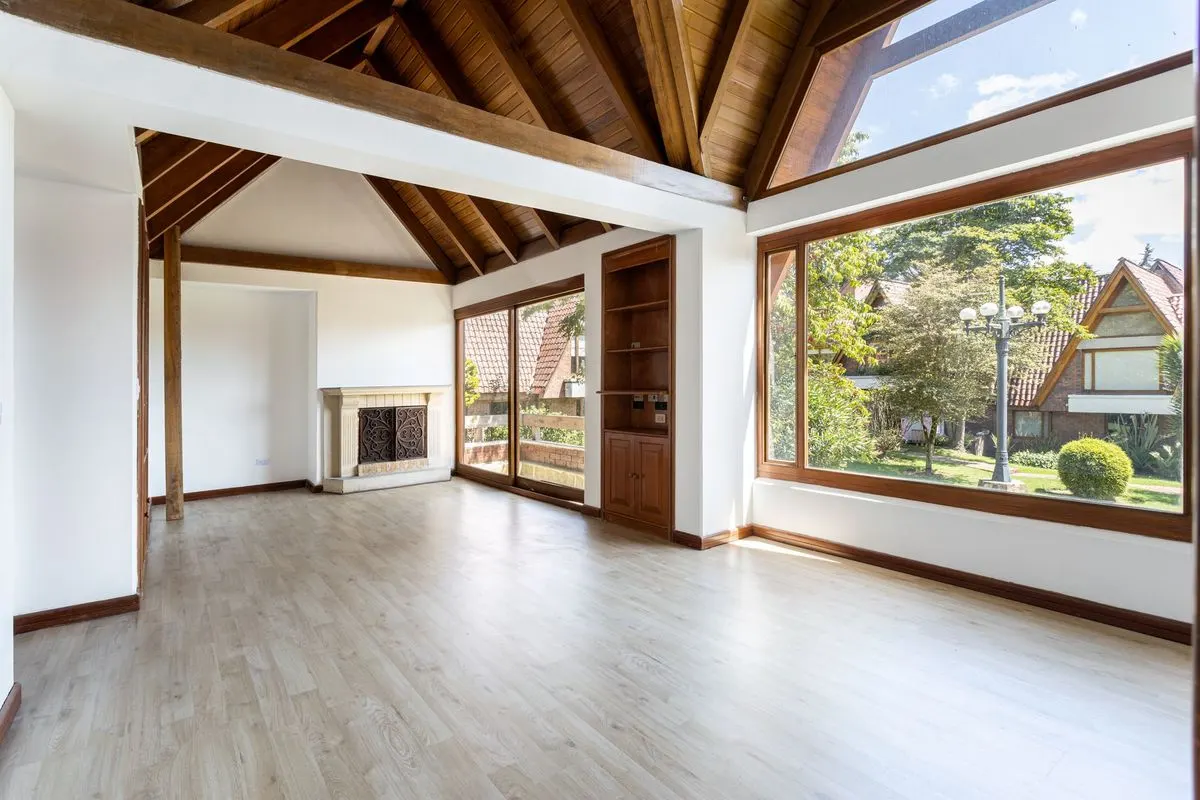
How They're Made
Solid hardwood is a single piece of wood from top to bottom. Engineered hardwood has a real wood top layer (the wear layer) bonded to a core of plywood or other layers set in different directions, which makes it resist expanding and shrinking.
Why Colorado's Climate Matters
Colorado's air is dry for much of the year, especially in winter when the heat is running, and humidity changes with the seasons. Wood shrinks when it dries and swells when it absorbs moisture, which can cause gaps between boards in winter or cupping in humid stretches.
Engineered hardwood is more dimensionally stable, so it tends to handle these swings better. Solid hardwood can absolutely work in Colorado, but acclimation before installation and steady indoor humidity matter more.
Side-by-Side Comparison
| Engineered hardwood | Solid hardwood | |
|---|---|---|
| Stability in dry climate | Higher | Lower; needs careful acclimation |
| Over concrete / basements | Often yes | Generally not recommended |
| Installation methods | Floating, glue-down or nail-down | Nail-down over a wood subfloor |
| Refinishing | Limited by wear layer thickness | Can be refinished many times |
| Feel and look | Real wood surface | Real wood throughout |
Which Should You Choose?
Choose engineered hardwood if you want real wood in a basement or over concrete, prefer wide planks, or want the most stability in Colorado's dry air.
Choose solid hardwood if you're installing above grade over a wood subfloor and want a floor that can be refinished many times over the decades.
Installation Makes the Difference
Whichever you choose, proper acclimation, a flat subfloor and the right installation method are what keep a wood floor looking great. We follow the manufacturer's requirements on every job and include subfloor leveling and prep in your installation. Request a free estimate or call (720) 243-1478.